


Phone:
+86-15218865186

Views: 0 Author: Site Editor Publish Time: 2025-12-11 Origin: Site


Industrial fan motors play a critical role in many industrial operations. They power ventilation, cooling systems, exhaust systems, and air circulation units, ensuring that equipment and facilities operate efficiently and safely. Over time, however, industrial fan motors can wear out, become inefficient, or fail completely. When this happens, it's important to replace or upgrade the motor to maintain optimal system performance.
In this article, we’ll guide you through the process of replacing or upgrading your industrial fan motor. We’ll cover how to determine when replacement is necessary, the steps for replacing the motor, tips for selecting the right replacement motor, and considerations for upgrading to a more efficient system. By the end of this guide, you’ll have the knowledge needed to make the right decision for your facility’s needs.
There are several reasons why you might need to replace or upgrade your industrial fan motor:
Motor Failure: Over time, motors can fail due to factors like overheating, mechanical wear, or electrical faults. When a motor fails, it can stop the fan from working, leading to system downtime and potential damage to other components.
Decreased Efficiency: Older motors may become less efficient, consuming more energy while delivering the same performance. Replacing or upgrading the motor can restore energy efficiency and reduce operating costs.
Outdated Technology: As technology evolves, more efficient and advanced motor options become available. If your current motor is outdated, upgrading to a newer model can improve performance, reduce maintenance, and save energy.
Regulatory Compliance: In some industries, motors must meet certain energy efficiency standards to comply with local regulations. Upgrading to a compliant motor can help your facility stay within legal requirements and avoid fines.
Increased Demand: If your system is experiencing increased airflow requirements or additional load, your current motor may no longer be powerful enough to meet these demands. Upgrading to a more powerful motor can help meet these new performance requirements.
Before you jump into replacing or upgrading your motor, it’s essential to evaluate whether it truly needs attention. Here are some signs that it may be time for a change:
If your motor is frequently breaking down, requiring repairs, or if it’s producing inconsistent performance, this could be a sign that it’s nearing the end of its useful life. Constant malfunctions may indicate that internal components such as bearings, windings, or the stator are worn out, and replacing the motor is necessary to prevent further issues.
Motors that overheat regularly, even when running within normal parameters, may be experiencing internal issues. Overheating can be caused by poor ventilation, faulty bearings, electrical issues, or overloading. If the motor continues to overheat despite maintenance efforts, it may need to be replaced.
Unusual sounds such as grinding, squealing, or high-pitched noise, or excessive vibration, can indicate internal problems with the motor, such as worn bearings, misalignment, or damaged components. If these issues persist, replacing the motor may be the best course of action.
As motors age, they can become less efficient, leading to higher energy consumption. If you notice an increase in your energy bills despite no significant changes in your facility's load, it could be time to consider upgrading to a more energy-efficient motor.
If the motor is older or discontinued, it may become increasingly difficult to find replacement parts. In such cases, upgrading to a newer, more accessible motor can be more cost-effective in the long run.
If you've determined that replacing your industrial fan motor is necessary, follow these steps to ensure a successful replacement.
Before beginning the replacement process, ensure that you have all the tools and equipment required for the job. This may include:
Wrenches, screwdrivers, or socket sets
Voltage tester or multimeter
Insulation resistance tester
Replacement motor (of the correct size and specifications)
Lubricants or sealants (if necessary)
You should also ensure that the system is powered down and all safety precautions are followed, including wearing appropriate personal protective equipment (PPE).
The first step in replacing a motor is to disconnect the electrical power to the motor and the entire fan system. Lock out and tag out the electrical supply to prevent accidental re-energizing. If the motor is hard-wired, disconnect the wiring carefully, ensuring that you note the connection points for the new motor.
Remove the Fan Blades: If necessary, remove the fan blades from the motor shaft to give yourself room to work. Depending on the design, this may require loosening set screws or bolts.
Unbolt the Motor: Use the appropriate tools to unbolt the motor from its mounting position. Take care not to damage the mounting surface, as you’ll need it for the new motor.
Disconnect the Motor Wiring: Carefully disconnect the motor’s electrical wiring. If the motor is connected using a terminal block, use a screwdriver or wrench to loosen the screws and remove the wires.
Remove the Motor: Once all connections are disconnected, carefully remove the motor from its housing or mounting bracket.
Position the New Motor: Place the new motor into position and ensure it aligns with the fan shaft and mounting bracket. Some motors may come with adjustable mounting brackets, so make sure it is securely attached to prevent any movement.
Reconnect the Wiring: Connect the electrical wires to the new motor. Follow the wiring diagram that comes with the motor or the manufacturer’s instructions to ensure proper wiring connections. Use appropriate tools to tighten the wiring connections securely.
Reinstall the Fan Blades: Once the motor is securely in place and the wiring is connected, reinstall the fan blades. Ensure that the fan blades are properly balanced and aligned with the motor shaft to avoid vibrations or noise during operation.
Ensure that the motor shaft is properly aligned with the fan blades and that the fan is free to rotate without obstruction. This step is crucial for preventing damage to the motor or fan system during operation. If necessary, adjust the alignment to achieve smooth rotation.
After completing the installation, it’s time to test the new motor. Reconnect the power supply and power on the motor. Observe the motor during startup to ensure it’s running smoothly without any unusual noise, vibrations, or overheating. Measure the motor's voltage and current to ensure they are within the specified range.
If the motor runs smoothly, check the fan blades to confirm proper airflow. Make sure the system is performing as expected and that the motor is operating within its designated parameters.
Once the motor is running correctly, conduct a final inspection to ensure that all bolts and fasteners are secure, the motor wiring is properly insulated, and the fan system is operating at the correct speed and efficiency.
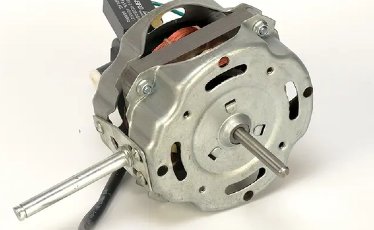
Upgrading your industrial fan motor can improve energy efficiency, reduce maintenance costs, and enhance system performance. Here are some tips to guide you through the upgrading process:
When upgrading, it’s essential to consider energy-efficient motors. Motors with higher efficiency ratings, such as NEMA Premium or IE3-rated motors, can significantly reduce electricity consumption, lowering operational costs over the long term. Choose motors that are optimized for your system’s load and performance needs.
Upgrading to a more powerful motor may seem tempting, but it’s important to match the motor size to your fan’s requirements. An oversized motor can waste energy, while an undersized motor may not provide the required performance. Make sure to calculate the correct motor size based on the desired airflow, static pressure, and system demands.
Upgrading to a variable speed motor can provide greater control over your system’s performance. Variable speed drives (VSD) allow you to adjust the fan motor’s speed based on real-time demands, improving energy efficiency and reducing wear on the motor. VSDs are ideal for systems that experience fluctuating loads.
If reducing maintenance is a priority, consider upgrading to a brushless DC motor or a high-efficiency induction motor. These motors typically require less maintenance, as they have fewer moving parts and no brushes that need replacing.
Some upgraded motors are designed to reduce noise and vibrations, which can be beneficial in noise-sensitive environments. When upgrading, look for motors that have noise-dampening features or are designed for quiet operation.
Replacing or upgrading your industrial fan motor is a vital step in maintaining the efficiency and performance of your ventilation, cooling, or exhaust systems. By understanding the signs that indicate a need for replacement, following the proper installation steps, and choosing the right motor, you can ensure that your system operates efficiently and reliably.
When upgrading, always consider factors such as energy efficiency, motor size, speed control, and maintenance needs to make the best decision for your facility. A well-chosen motor upgrade can provide significant long-term savings on energy costs, reduce downtime, and extend the lifespan of your equipment.
By following the guidance provided in this article, you’ll be able to make informed decisions about replacing or upgrading your industrial fan motor, ensuring the continued success and reliability of your facility’s systems. Whether you’re replacing a failing motor or upgrading to a more efficient system, a reliable motor will improve your system's performance and help reduce overall operational costs.

| 206,207,208, No. 4, Lijun Road, Xili Industrial Zone, Shatou Street, Guangzhou, Guangdong, China |