Product Overview
Elevate the performance of your fan products with our precision-engineered 8mm C45 Steel Electric Pedestal Fan Motor Rotor Gear Shaft. Crafted from premium C45 carbon steel, this motor shaft is designed to deliver exceptional durability, reliable power transmission, and quiet operation—making it the ideal core component for a wide range of fan applications. Whether you’re manufacturing table fans, stand fans, industrial fans, or wall fans, our product combines strict quality control, customizable design, and cost-effective pricing to meet the demands of volume buyers and OEM/ODM partners.
Core Advantages
1. Premium Material Foundation
Made from high-grade C45# steel, the shaft boasts outstanding mechanical properties—superior strength, excellent wear resistance, and remarkable toughness. This ensures long-lasting performance even in high-frequency, continuous-operation scenarios, reducing replacement costs and enhancing the overall reliability of your fan products.
2. Ultra-Precision Machining
We adhere to rigorous machining standards to achieve unparalleled precision. With a diameter tolerance of ±0.005mm and total indicator runout (TIR) ≤0.01mm, the shaft minimizes vibration and noise during operation, guaranteeing smooth, quiet fan performance. The precise dimensions also ensure seamless compatibility with other motor components, simplifying assembly and improving production efficiency.
3. Integrated Functional Design
The shaft is equipped with all essential features to optimize assembly and performance:
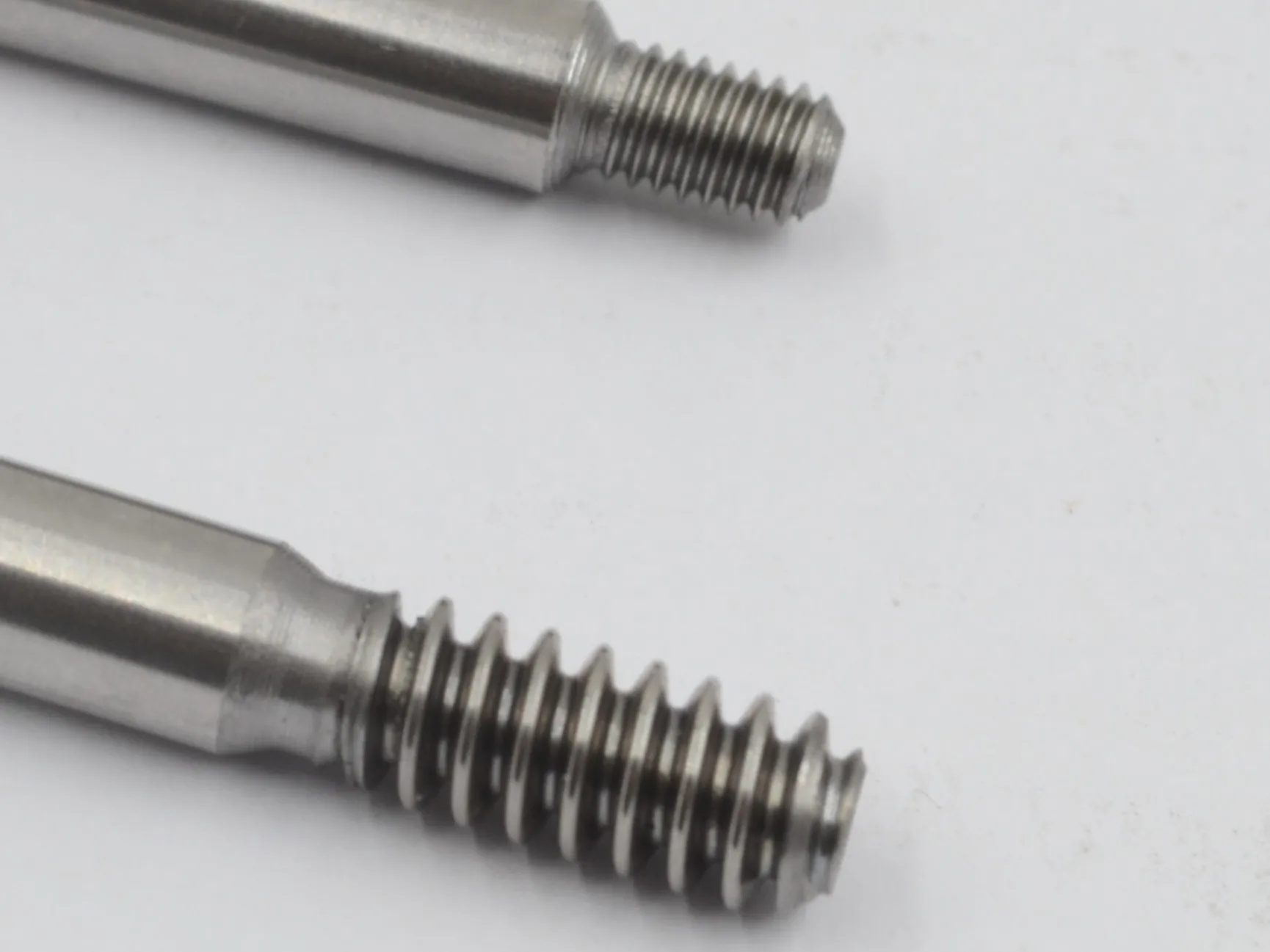
Threaded Shaft End: Enables quick and secure installation of fan blades or motor end covers through precision threads, ensuring a firm connection that withstands high-speed rotation.
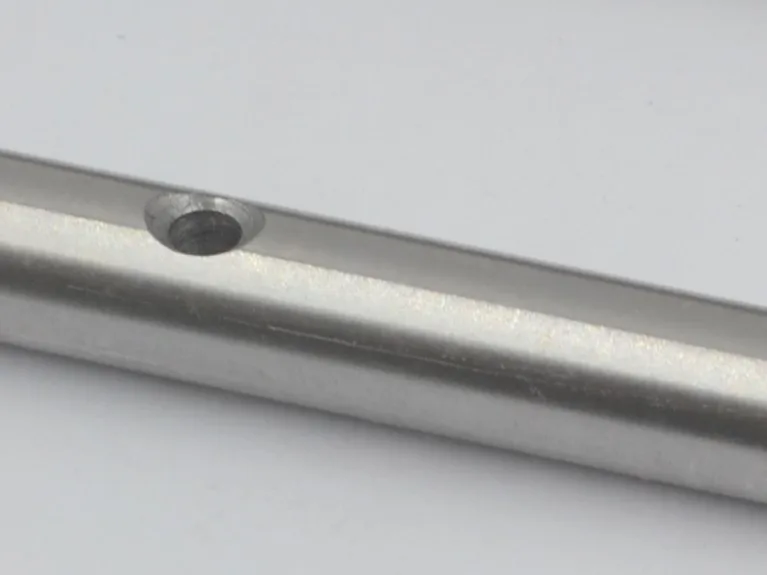
Pin Hole: Precision-machined for retaining pin assembly, providing anti-slip protection during operation to maintain stability.
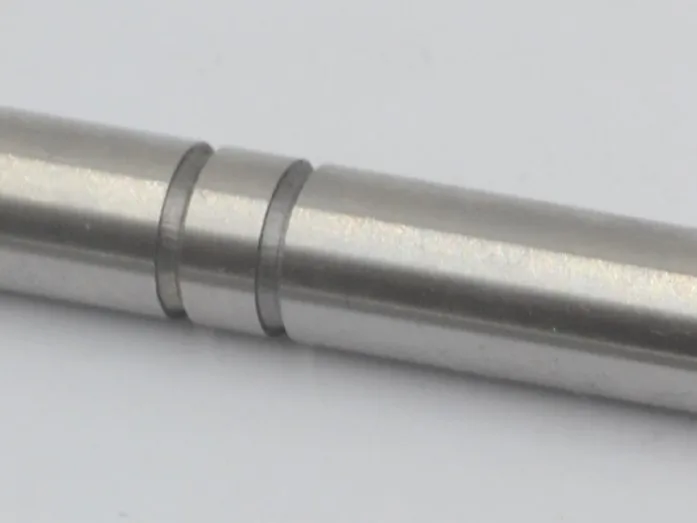
Annular Groove: Designed for mounting circlips or retaining rings, ensuring accurate axial positioning of bearings and other components for consistent performance.
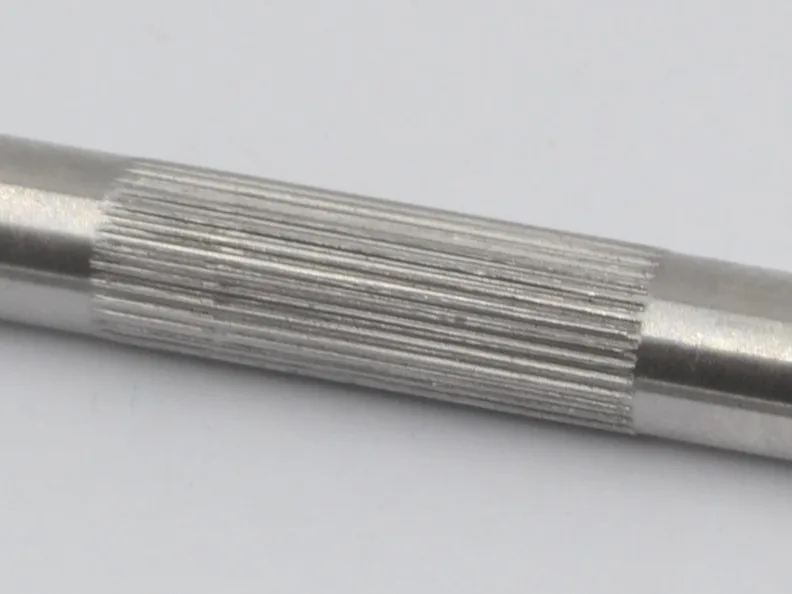
Knurled Section: Enhances torque transmission and locking tightness with the rotor core. The knurled texture creates a secure press-fit with bearings and impellers, preventing slippage even under heavy loads.
4. Customization Flexibility
We understand that different fan models require tailored components. While our standard size is 8*196mm, we offer full customization for diameter and length to match your exact specifications. OEM/ODM services are warmly welcomed—our engineering team will collaborate closely with you to design and produce shafts that align with your unique product requirements.
5. Reliable Quality & Cost-Effectiveness
Backed by a 2-year warranty, our motor shaft promises consistent quality and performance. We implement strict inspection processes throughout production, checking material quality, dimensions, hardness, and runout to ensure every product meets ISO and RoHS standards. As a factory-direct supplier, we eliminate middlemen costs, offering unbeatable pricing for volume orders without compromising on quality.
Technical Specifications
| Item | Value |
| Type | Fan Motor Shaft |
| Application | Table fans, Stand fans, Industrial fans, Wall fans |
| Material | C45# steel |
| Standard Size | 8*196mm (Customizable) |
| Diameter Tolerance | ±0.005mm |
| Length Tolerance | ±0.01mm |
| Surface Finish | Smooth Machined (Black oxide, zinc-plated, etc. customizable) |
| Certifications | ISO, RoHS |
| Warranty | 2 Years |
Our Service Commitment
Pre-Sales Support
Our professional engineering team provides comprehensive technical support for customization inquiries. Whether you need to adjust dimensions, modify functional features, or develop a fully custom solution, we’ll offer expert guidance to bring your ideas to life.
In-Process Quality Control
Every step of production is subject to rigorous inspection—from raw material selection to final machining. We ensure that each motor shaft meets the highest standards for precision, durability, and performance before it leaves our factory.
After-Sales Guarantee
We stand behind our products with a 2-year quality warranty. If you encounter any issues related to product quality, our responsive customer service team will provide timely solutions to minimize disruptions to your production.
FAQ
Can I customize the size and shape of the motor shaft?
Yes, full customization is available. We can adjust the diameter and length to your exact specifications, and we welcome OEM/ODM projects to meet your unique product needs.
What pre-sales and after-sales support do you offer?
Pre-sales: Our engineering team provides technical support for customization inquiries. After-sales: We offer a 2-year warranty and responsive customer service to address any quality-related issues.
What functional features does the shaft include?
Key integrated features are Threaded Shaft End, Pin Hole, Annular Groove (for circlips), and Knurled Section—all designed to ensure fast assembly, secure connection, and reliable torque transmission.
About Us
We are a professional manufacturer of fan motors and motor parts with decades of industry experience. Headquartered in Guangzhou and with a production base in Jiangmen, we adhere to strict R&D and production standards to deliver high-quality components for global customers. Our focus on precision, customization, and customer satisfaction has made us a trusted partner for fan and appliance manufacturers worldwide. We are committed to providing cost-effective, reliable products and comprehensive support to help you succeed in your market.